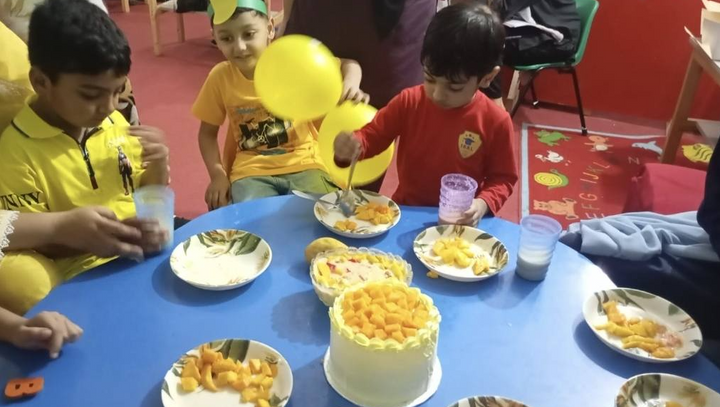
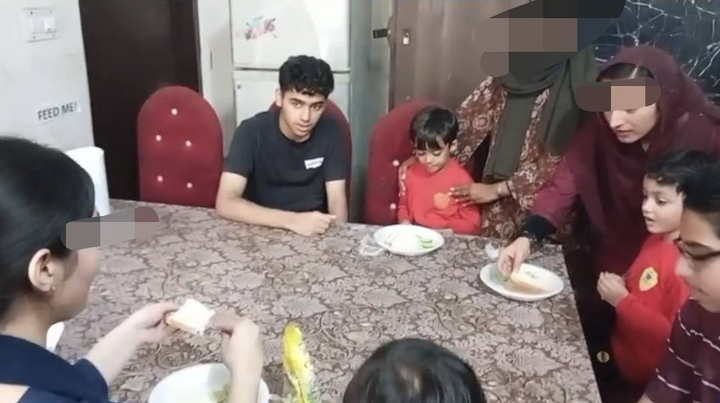
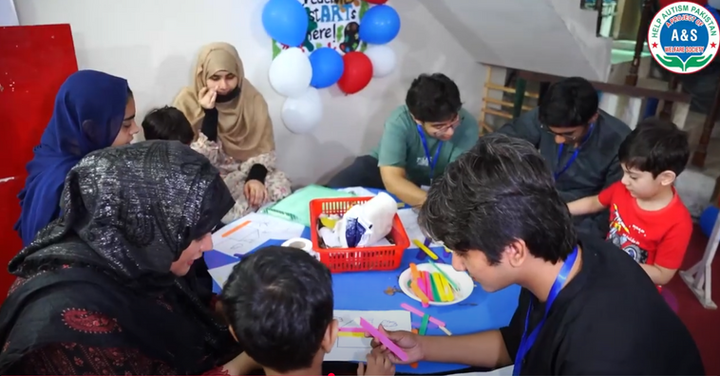
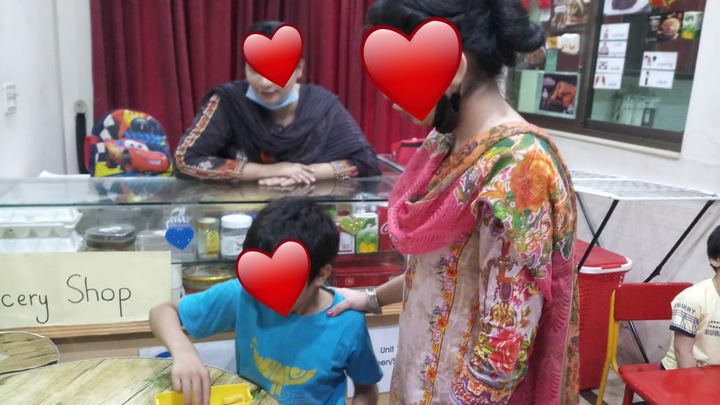
Picture 1 of 4: Celebration and participation
Our Work at HAP
Skills for real life, supported across the places where life happens.
HELP connects assessment, intervention, education, family practice, community participation, technology and future work within one whole-life pathway.
In-person and online pathways serve early childhood, school age, adolescence and adulthood according to individual need and program fit.
HELP Autism Pakistan organizational snapshot · August 2026
Connected departments
Care, education and opportunity under one roof
Each pathway has a different purpose, but the goal is shared: practical participation in real life.
Assessment and planning
Comprehensive discussion, observation, functional assessment, individualized goals and scheduled review.
Behavior and learning
ABA-informed, structured and relationship-aware teaching with positive skill development.
Speech and communication
Receptive and expressive language, interaction, pragmatics, AAC, PECS and functional communication.
Sensory and motor
Regulation, motor planning, fine and gross motor participation, body awareness and daily routines.
ISAL School
Modified mainstream learning from preschool through Class 4, with participation and communication goals.
Daily living
Eating, dressing, toileting, kitchen participation, home routines, travel and safety.
Vocational development
Weaving, art, craft, computer work, kitchen tasks, work routines and supported enterprise.
Music, sport and technology
Movement, expression, turn-taking, digital learning, participation and confidence.
Parent partnership
Coaching, home strategies, parent groups, sibling confidence and shared review.
Training and outreach
Parents, interns, professionals, schools, universities, medical colleges and public institutions.
Help Autism 360
Daily goals, session records, progress trends and shared parent-professional review.
Digital learning
Computer skills, structured learning activities and personalized educational access.
A typical support cycle
One plan, practiced and reviewed together
- 01Listen
- 02Assess
- 03Plan
- 04Teach
- 05Practice
- 06Record
- 07Review
The sequence explains HAP’s working rhythm. Actual assessment, goals and methods remain individualized.
Progress made visible
Connect day-to-day teaching with meaningful goals and regular review.
Programs connect responsible departments, relevant service pathways, family priorities and consent-cleared examples around practical participation.
Explore connected pathways
Move from HAP’s day-to-day work into services, Stories of Growth, Help Autism 360, training and responsible giving.